


Josephine Curtis and Her Quest for Beauty
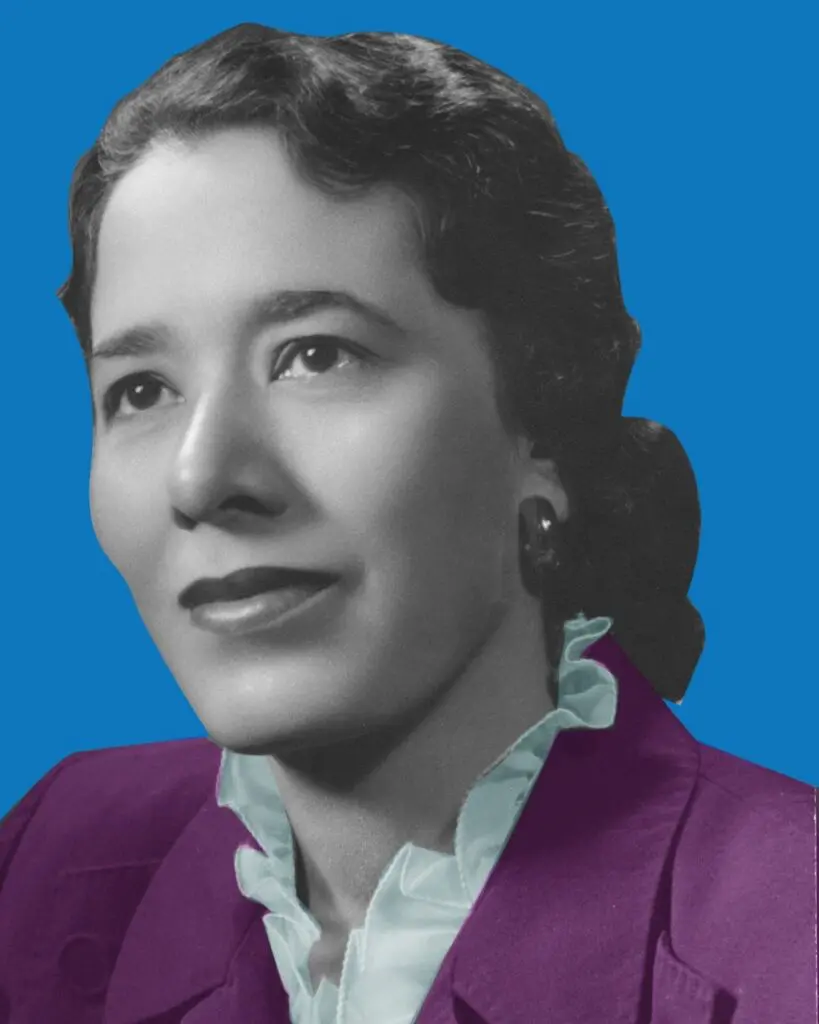
Josephine Curtis spent her lifetime on a quest for beauty. From studying at the University of Chicago, to honing her skills at the Kroeger School of Music in St. Louis, to directing operatic stage performances in South Bend, she endeavored to bring beauty into every part of her life. In 1933, after Curtis relocated to South Bend from Missouri, she formed the H.T. Burleigh Music Association, whose aim was to highlight and make space for Black musicians. The organization’s namesake was Harry Thacker Burleigh, a renowned singer and composer whose ability to arrange melodic reimaginings of African American spirituals struck Curtis as a shining example of the beautiful complexity of the Black American experience.
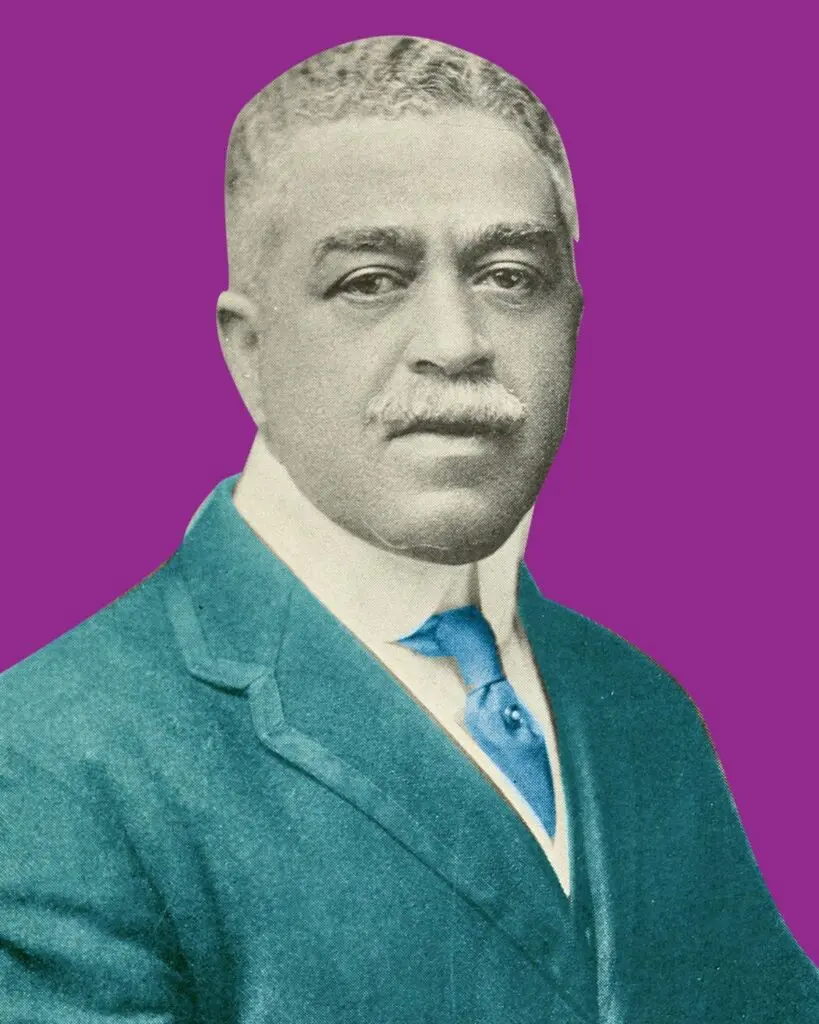
Josephine was drawn to the way Burleigh — whose grandfather taught him the traditional African American spiritual songs he learned during his years of enslavement — was able to recontextualize the music into modern compositions to be shared with new audiences. Roland Dickinson (1992), a student of Curtis, described the connection Josephine drew between her musical endeavors and those of H.T. Burleigh:
There is something magical in some names, and the magic in Burleigh’s name carried through in this local organization ….Curtis thought the Burleigh name tied in with two important purposes for her group. First, she wanted to give the African-Americans of South Bend who studied, knew and loved music a vent for expressing themselves. Secondly, this group would let people know that the spiritual was not the only music known by the African-American. She wanted the community to know the universality of music, that music has no ethnic bounds, that music can be enjoyed as well as sung by anyone who wants it (p.F7).
Curtis’ quest for beauty didn’t stop at the H.T. Burleigh Music Association and their productions, it extended into her daily life. She was an active member of the South Bend community, volunteering her time and effort to many different organizations and groups in the city, including as “president of the citywide Parent-Teacher Council, active supporter of the South Bend Chapter of United Nations, trustee of the South Bend Urban League, and board member of the Michiana Arts and Sciences Council” (2000). In addition, Josephine was “a charter member of the South Bend Women’s Council for Human Relations. She was instrumental in the council’s development of fair housing codes, the establishment of employment opportunities for all, and the desegregation of hotel and restaurant accommodations” (South Bend Education Alliance, 2000).
Josephine’s commitment to enriching the lives of South Bend residents through the arts and through material means is a powerful reminder of the effort it takes to bring your vision to life. Sharing music with each other is beautiful, building up a community is beautiful, fighting for a better future is beautiful. The quest for beauty is not just the pursuit of art, but a lifetime of asking how you can contribute your talents, passions, and creativity to manifest the world you want to see.
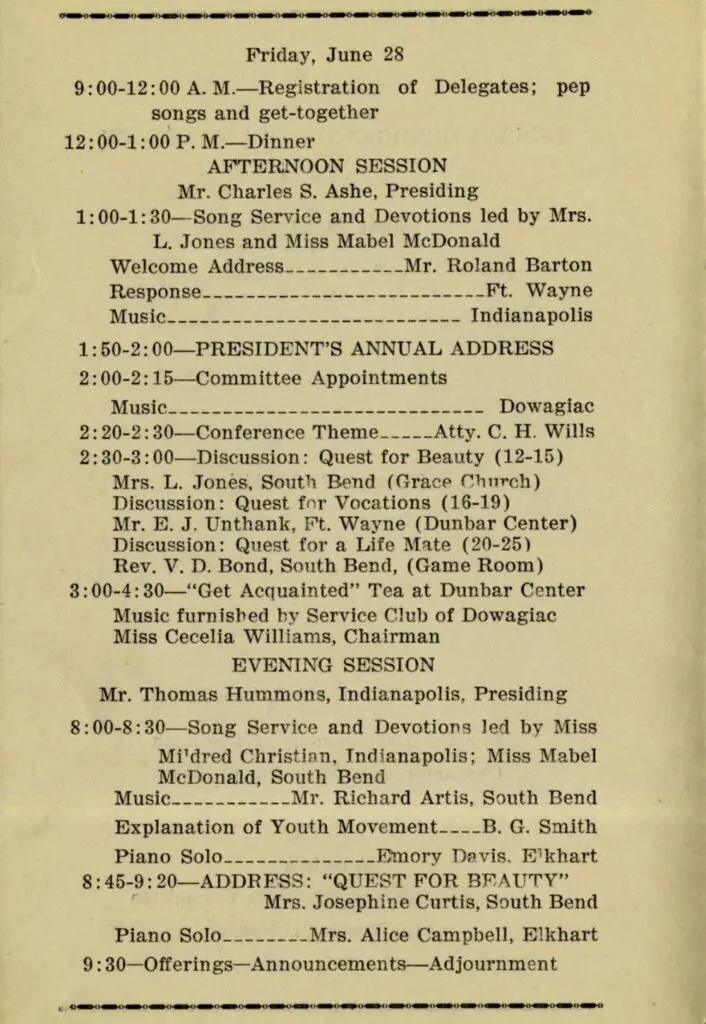
Booklet for the Indiana-Michigan Youth Conference held in South Bend in 1935.
Some sessions took place at Olivet AME Church. Includes presentations by Charles Ashe, C.H. Wills, B.G. Smith, J. Chester Allen, and others. Among the activities were speeches, discussions, and music. Topics included business, spiritual growth, health, and knowledge. Participants were from South Bend and the local region including Elkhart, Dowagiac, and Fort Wayne. | ca. 1935
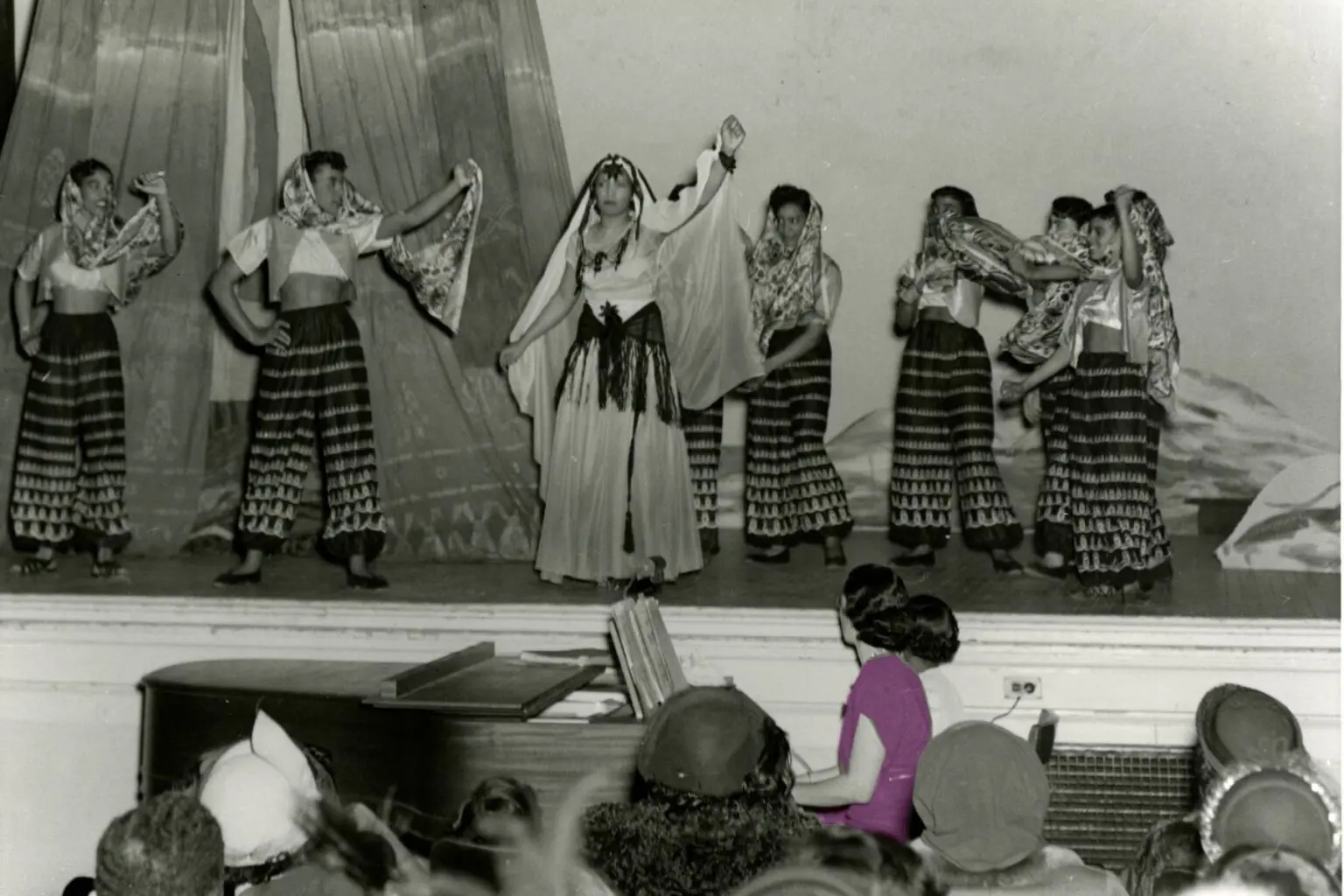
Pull quotes
“She wanted the community to know the universality of music, that music has no ethnic bounds, that music can be enjoyed as well as sung by anyone who wants it.” – Roland Dickinson (student of Josephine Curtis, 1992)
“Music seemed to be the driving force in Curtis’ life, but she shared her many other talents and her time unselfishly for the betterment of the Michiana community. She worked diligently for ethnic harmony, for better housing and all the avenues of life that help people better themselves and enjoy a fuller life.” – Roland Dickinson (student of Josephine Curtis, 1992).
References
Bryant, J.C. (1999, June 27). Operatic high note: In 1949, a local black music group’s efforts peaked with the premiere of ‘Ouanga.’ The South Bend Tribune. https://infoweb.newsbank.com/apps/news/document-view?p=NewsBank&t=family%3A1F9B0%21South%2BBend%2BTribune%2B%2528IN%2529&sort=YMD_date%3AD&hide_duplicates=2&fld-base-0=alltext&maxresults=60&val-base-0=operatic%20high%20note%20john%20charles%20bryant&docref=news/13FB1B69C0FDDC48
Dickinson, R. (1992, April 19). Decades later, he recalls Curtis’ influence. The South Bend Tribune, F7.
Library of Congress. (n.d.). H.T. Burleigh. Biography. https://www.loc.gov/item/n83127097/h-t-burleigh/
St. Pierre Ruffin Club. (1973). Handbook of profiles in the contemporary Black history of South Bend.
South Bend History Museum. (n.d.). Josephine Curtis. https://www.historymuseumsb.org/josephine-curtis/
South Bend Education Alliance. (2023). South Bend community hall of fame archives. https://southbendeducationalliance.org/hall-of-fame-archives/
Staff writer. (2017, Sep. 11). A look back: Opera outstanding in South Bend. The South Bend Tribune. https://infoweb.newsbank.com/apps/news/document-view?p=NewsBank&t=family%3A1F9B0%21South%2BBend%2BTribune%2B%2528IN%2529/decade%3A2010%212010%2B-%2B2019&sort=YMD_date%3AD&hide_duplicates=2&fld-base-0=alltext&maxresults=60&val-base-0=A%20Look%20Back%3A%20Opera%20outstanding%20in%20South%20Bend&docref=news/166DB11EF7F0A5F0


