


We are in a unique moment when it comes to storytelling and information sharing. We have enough streaming services that if we paid for them all we’d be paying more than if we just got cable, artificial intelligence is recommending books for us to read that don’t actually exist, and we still don’t know if we’ll even have movie theaters in twenty years.
At the heart of all this content is the simple fact that we all have our preferences when it comes to media. Some folks love steamy romance novels, while others prefer an epic fantasy television series with at least five seasons. We seek out stories that uniquely speak to us.
Censorship challenges against books have been on the rise over the past decade. While books have been the most frequently challenged, we also see this trend towards increased scrutiny of storytelling in movies, television, video games, and beyond.
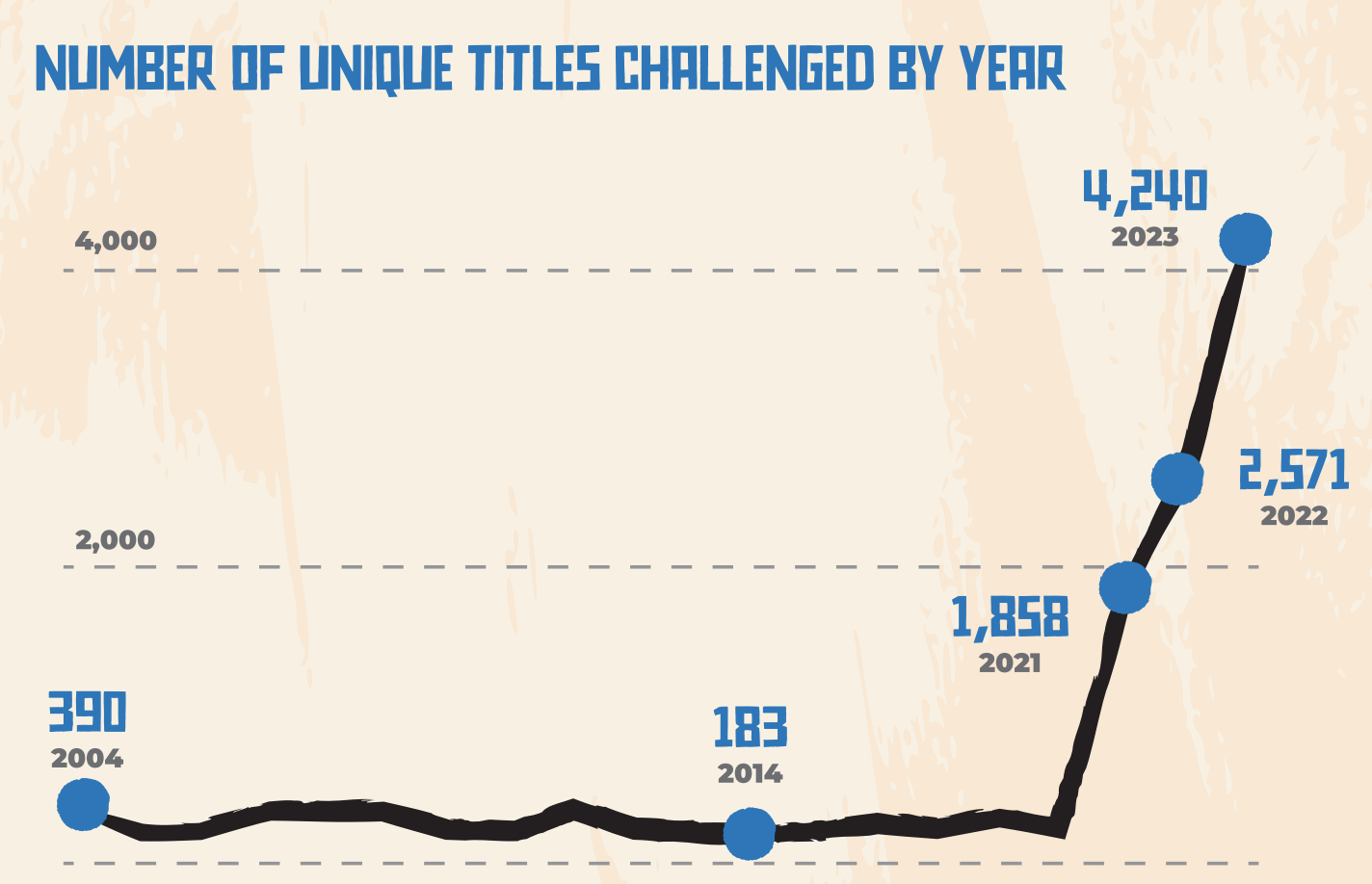
There tends to be some confusion over the terms used to describe this phenomenon. Book challenges, book banning, soft censorship; what does any of that even mean? Isn’t it all the same?
Unfortunately, like all important issues, it can be hard to understand.
A “challenge” is any attempt at censorship. This can take the form of an organized group of individuals targeting a specific book, or one person could read a book and feel it’s not appropriately catalogued. Books have been challenged for almost any reason imaginable.
Sometimes, an incomplete compromise is reached by recategorizing a book written for a younger audience into a different collection. This could mean moving a children’s book to the teen section, or a teen book to the adult area. This is a form of “soft censorship” as it makes the book more difficult for its intended audience to find.
A “book ban” is the removal of a book from a collection. Banned books are no longer accessible in the library. Sometimes this term is confusing, as the book is not necessarily illegal to own or to purchase, but may “just” be no longer available on library shelves. However, it is often the folks who would most connect with these stories that rely on the shelves of their public or school library to find reading material.
Book Challenges That May Surprise You
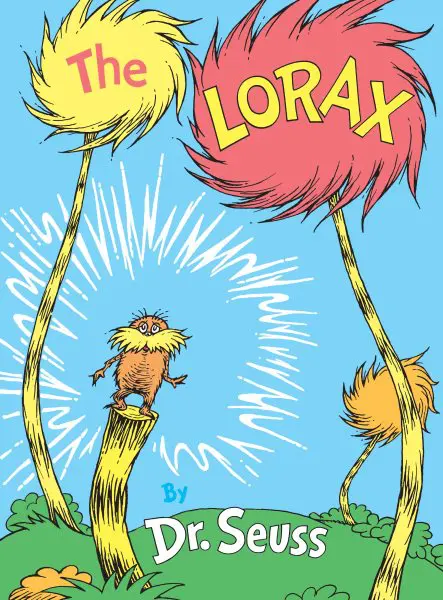
Challenged for being critical of the logging industry and capitalism.

Challenged for depicting anthropomorphic animals.
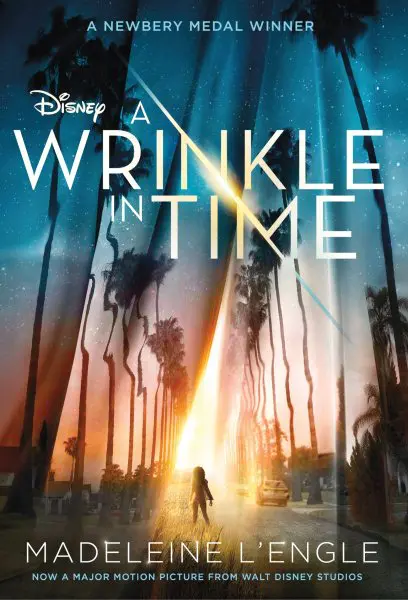
Challenged for how it depicts religion and the supernatural.
The nature of a diverse collection of popular materials is that there will always be books in the collection that make us uncomfortable. There are books and movies in our collection that I would never wish to experience myself but are perfect for others. I was able to form my own opinion about these stories because I was not told what to think about them by a third party. A diverse library collection empowers me as a patron to form my own opinions about the books, magazines, television series, and movies that I check out.
Censorship takes away our power to form our own opinions. A story invites you to see the world through the author’s eyes, at least until the pages run out. When you close the book, you can choose what – if anything – you want to carry with you from the reading experience. Maybe it won’t be the book for you. Or maybe it’ll change your world.


